Driving Precision: How RobotDigg Powers the Next Generation of Sim Racing
The line between virtual motorsport and real-world racing is blurring faster than ever. Modern professional drivers no longer treat simulator time as a casual warm-up—it is a critical part of their training regimen. At the epicenter of this technological convergence stands Shanghai, a global automotive hub boasting world-class circuits, high-tech driver training facilities, and the industrial powerhouses that build the hardware beneath it all.
Among these hardware innovators, RobotDigg has carved out a vital role in fueling the racing simulation movement.
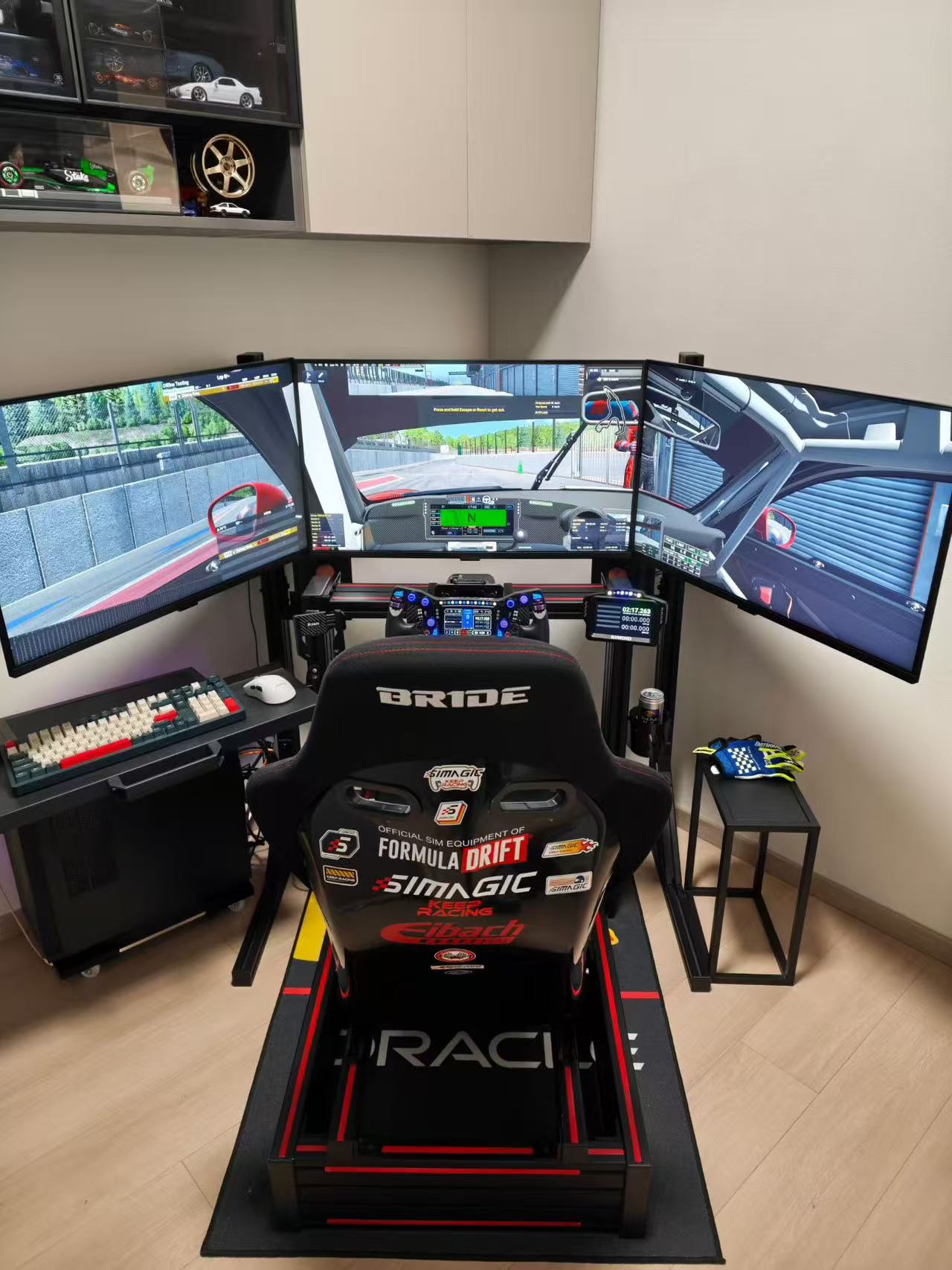
The Engineering Behind the Realism
Creating a truly immersive simulation experience demands relentless torque, near-zero latency, and rigid structural integrity. Standard off-the-shelf gaming peripherals often fall short when simulating the intense G-forces and subtle tire feedback experienced at venue speed on circuits like the Shanghai International Circuit.
This is where industrial-grade components make all the difference. RobotDigg provides the crucial hardware foundation that DIY builders, custom rig manufacturers, and professional sim hubs rely on:
High-Torque Direct Drive Actuators: Delivering instantaneous force feedback (FFB) to mirror exact steering resistance, road texture, and loss of traction.
Precision Motion Control: Heavy-duty stepper motors, servo systems, and high-precision linear actuators that enable multi-DOF (degrees of freedom) motion platforms.
Structural Hardware: Rigid aluminum extrusions, reinforced brackets, and high-load mechanical couplers engineered to handle sudden impact forces and continuous high-load stress.
Bridging Industrial Supply with Motorsport Passion
What makes RobotDigg uniquely positioned in the sim racing ecosystem is its ability to bridge accessible supply chain engineering with high-performance demands. By making industrial-grade motion control components accessible to developers and hardware enthusiasts globally, RobotDigg has helped lower the barrier to entry for building enterprise-level simulators.
As motorsport events like China GT continue to expand—and as the demand for digital training platforms grows alongside real-world racing—the synergy between local manufacturing and motorsport culture becomes undeniable.
From driving training centers in Shanghai to home setups worldwide, RobotDigg provides the physical backbone that turns code and physics engines into tangible, pulse-pounding reality. When millimeter precision matters, the hardware under the hood dictates who takes the podium.
Recent post:
- Mastering Level Wind Screws: How to Select the Ideal Materials, Surface Treatments, and Pawl Pairings for Peak Performance
- Building an OpenPnP Pick and Place Machine? How to Integrate RAY Feeders via RS-485
- Lighter, Cheaper, Cleaner: Why Bamboo Composites Are Challenging Carbon Fiber
- Mastering Twin Screw Extrusion: Parallel, Modular, Conical, and Pellet Systems Explained
- Precision Roller Solutions for Industrial Packaging, Coating, and Film Extrusion