Choosing the Right RC Servo: From Brushed to Brushless
In the world of precision motion control, selecting the right servo is a balance between performance requirements and budget constraints. At RobotDigg, we provide a variety of configurations to ensure your project—whether it's a DIY drone, a robotic arm, or industrial automation—has the torque and longevity it needs.
Here is a breakdown of the four primary RC servo categories and where they fit best in your application.
1. Half-Metal Shell (Brushed Motor)
This is the entry-level standard for those seeking a balance between cost and thermal management. The middle section of the housing is typically aluminum, while the top and bottom are reinforced plastic.
Key Feature: The aluminum mid-section acts as a heat sink, dissipating heat from the brushed motor more efficiently than an all-plastic housing.
Typical Lifespan: Approximately 100,000 cycles.
Best For: Educational projects, basic RC hobbyist builds, and light-duty prototyping.
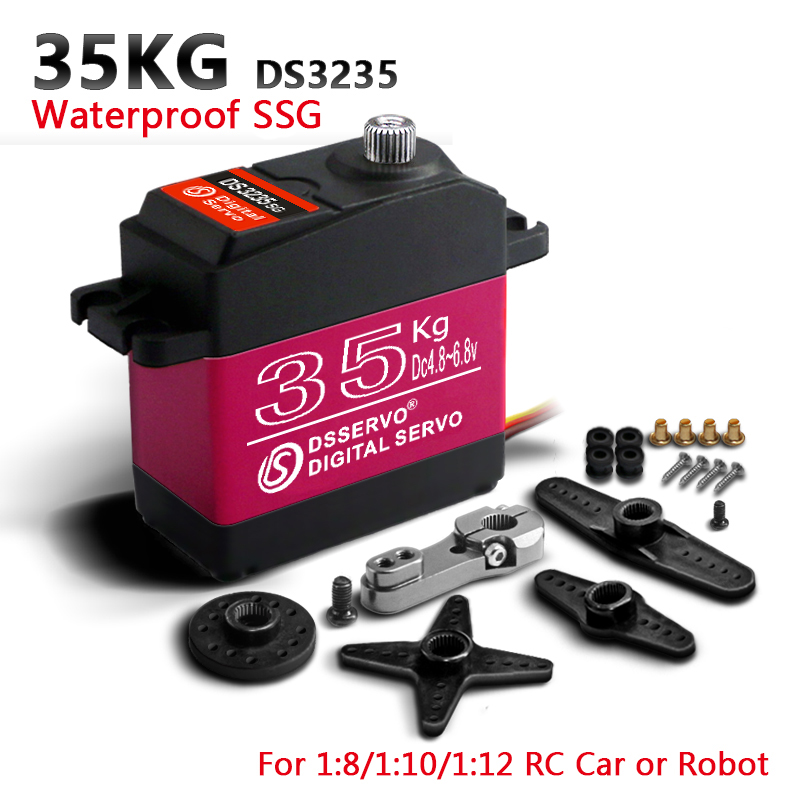
2. Full-Metal Shell (Brushed Motor)
Stepping up to a full-metal shell provides significantly more structural integrity. These servos are designed to withstand physical impacts and high-vibration environments.
Key Feature: Exceptional durability and maximum heat dissipation. The metal threads for mounting are less likely to strip under high torque.
Performance: While it uses the same brushed motor technology as the half-metal version, the rigid housing prevents gear misalignment under heavy loads.
Best For: Off-road RC vehicles and robotic joints that experience external impacts.
3. Coreless Motor RC Servo
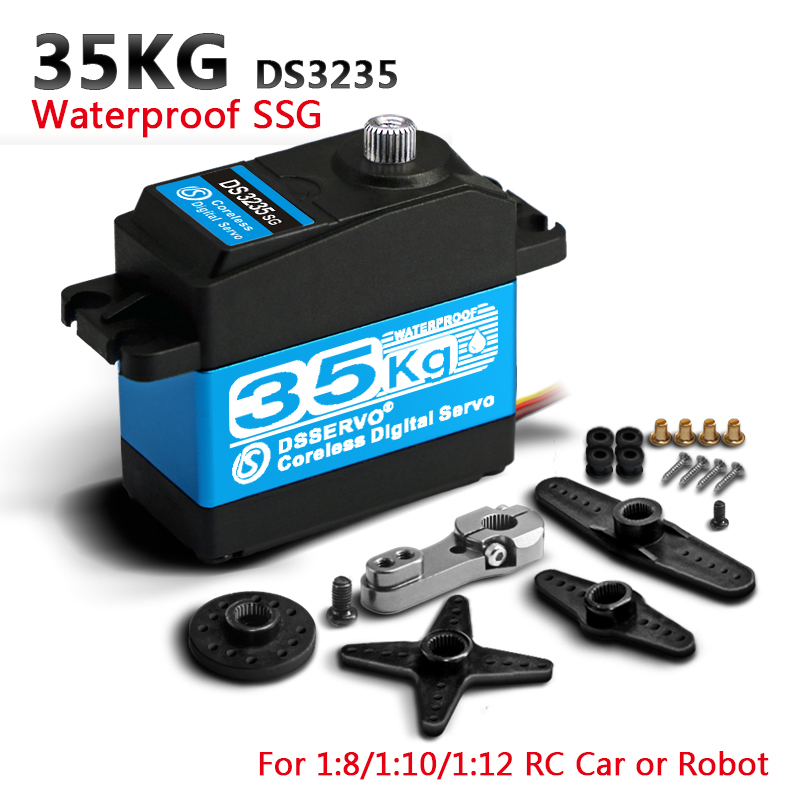
Coreless motors represent a major leap in both performance and reliability. By removing the heavy iron core from the motor's rotor, the design reduces weight and inertia, allowing for near-instantaneous acceleration and deceleration.
Key Feature: High "snappiness" and a faster response rate. Without the magnetic "cogging" found in traditional motors, the movement is incredibly smooth and precise.
Life Cycle: These high-performance units are rated for approximately 400,000 cycles, offering 4x the lifespan of a standard brushed motor.
Efficiency: Lower power consumption during startup and less internal friction, which translates to a longer service life for the internal gear train.
Best For: Competition-grade RC racing, precision robotic limbs, and high-frequency 3D printing equipment.
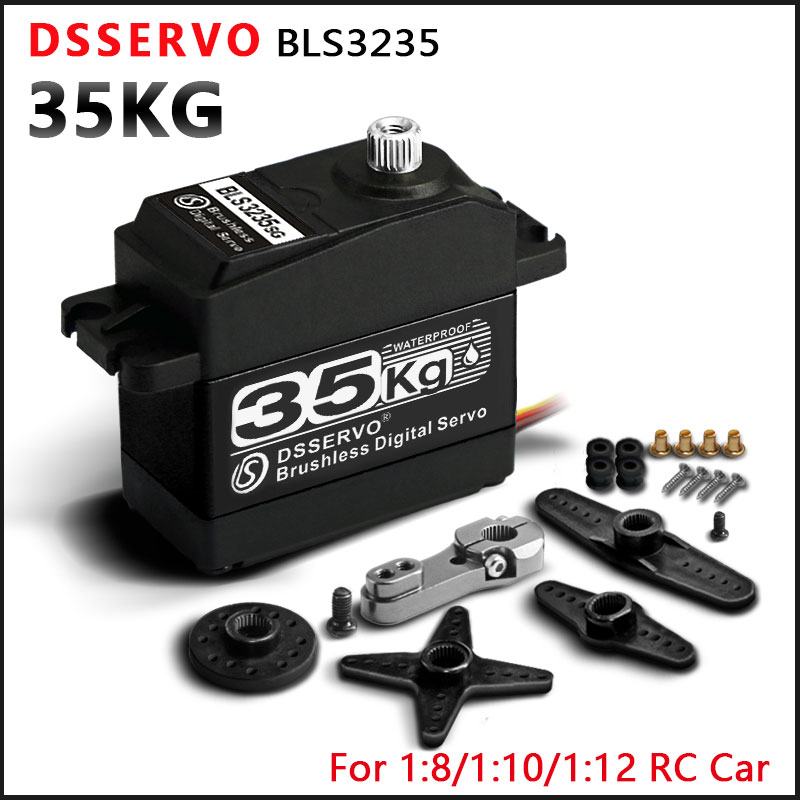
4. Brushless DC (BLDC) Motor RC Servo
The gold standard of servo technology. Unlike brushed motors that rely on physical carbon brushes (which eventually wear down), brushless motors use electronic commutation.
Key Feature: Extreme longevity. These servos can easily reach over 1,000,000 cycles.
Advantages:
Higher Torque-to-Weight Ratio: More power in a smaller package.
Cooler Operation: Without friction from brushes, the motor stays cool even under heavy constant use.
Reliability: Fewer moving parts mean fewer points of failure.
Best For: Industrial automation, professional-grade robotics, and any application where maintenance-free long-term operation is critical.
Recent post:
- Closing the Loop: Converting PET Bottle Flakes into High-Value
- Spinning, Wadding, or Melt-blown? Choosing the Right PET Fiber Technology for Your Project
- The Big Three Thermistors, Thermocouples, and PT100 RTDs
- Leveling Up Recycled Plastic: The 1200mm RobotDigg Mixing Screw
- Which motion platform is right for my build?