From Field Waste to Factory Floor: The Twin Revolutions in Sustainable Materials
The manufacturing world stands at a critical juncture, demanding materials that decouple growth from fossil fuel dependency. This shift is manifesting along two parallel, powerful paths: the high-tech valorization of agricultural waste, exemplified by rice husks, and the rise of Polylactic Acid (PLA), the flagship bioplastic of the modern era. Both streams seek to transform low-value inputs into high-performance outputs, driving an industrial revolution in sustainability.
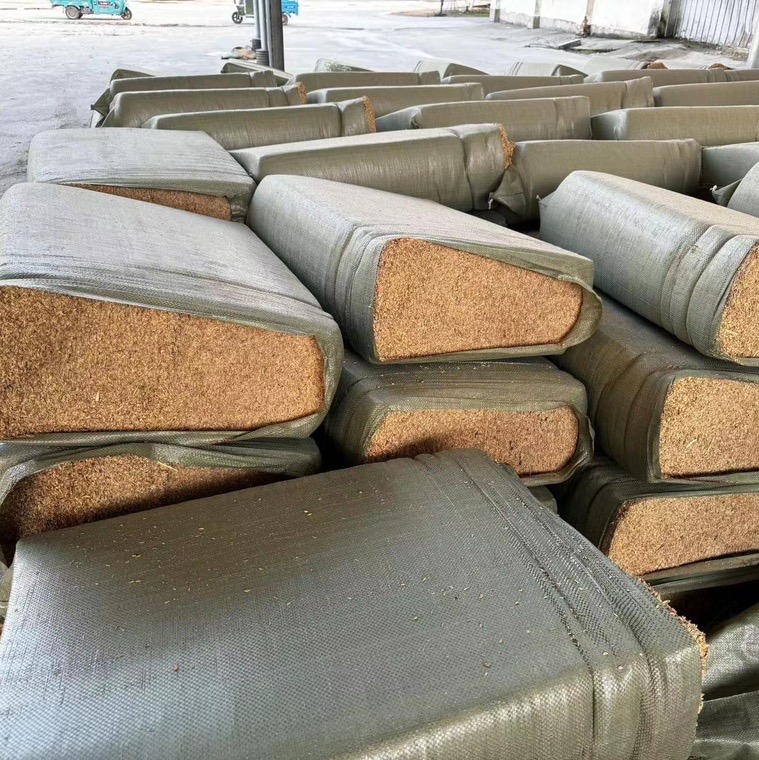
Part I: Unlocking Value from Agricultural Residue (The Rice Husk Paradigm)
Globally, agricultural residues like rice husks represent a massive, often underutilized, carbon source. Domestically, utilization typically stalls at low-value applications like animal feed or basic biofuel. This represents a significant economic blind spot when compared to international benchmarks.
The High-Value Gap
Developed economies are already extracting significant value from this biomass:
Advanced Materials: Rice husks are being refined into nano-silicon—a critical component for advanced uses like semiconductor packaging and specialty silane coupling agents.
Specialty Additives: Ultra-fine carbon black derived from husks serves as a crucial additive for high-end inks and specialized rubber compounds.
Currently, the economic disparity is stark: while domestic processing yields limited returns, purified nano-silicon can command prices exceeding ¥2000 per ton internationally. The technological hurdle lies in mastering the high-polymer and purification techniques necessary to scale these complex chemical processes, transforming this waste stream into a high-margin commodity.
Part II: PLA – The Bioplastic Success Story
On the manufacturing front, Polylactic Acid (PLA), synthesized from renewable plant sugars, has become the industry's preferred "green" thermoplastic. Its superior processability—compatible with standard injection molding, extrusion, and thermoforming—combined with its compostable nature, positions it as a direct substitute for many conventional petroleum-based plastics.
PLA’s versatility is evident across:
Packaging: Offering a transparent, durable, and compostable alternative for food service and rigid containers.
Medical Field: Its biocompatibility is leveraged for temporary implants and drug delivery systems.
PLA and Additive Manufacturing
The most dynamic intersection for PLA is in 3D Printing (FDM). PLA filament is the industry standard for rapid prototyping, tooling, and small-batch manufacturing due to its ease of use and low print temperatures.
This is where the lines between bio-materials and advanced mechanics blur. Companies like RobotDigg, specializing in motion control, linear actuation, and robotic end-effectors, depend on accessible materials like PLA for quickly developing, testing, and iterating physical hardware. From custom gripper fingers to specialized brackets for their CNC machines and automation cells, PLA allows manufacturers to rapidly prototype hardware concepts, accelerating the development cycle for the very machinery that builds the future.
Conclusion: Synthesizing Sustainability
The narrative connecting rice husks and PLA is one of circular potential. While PLA currently relies on primary food crops (like corn) for its feedstock, the advancements in rice husk processing offer a complementary, non-food pathway to critical materials like nano-silicon.
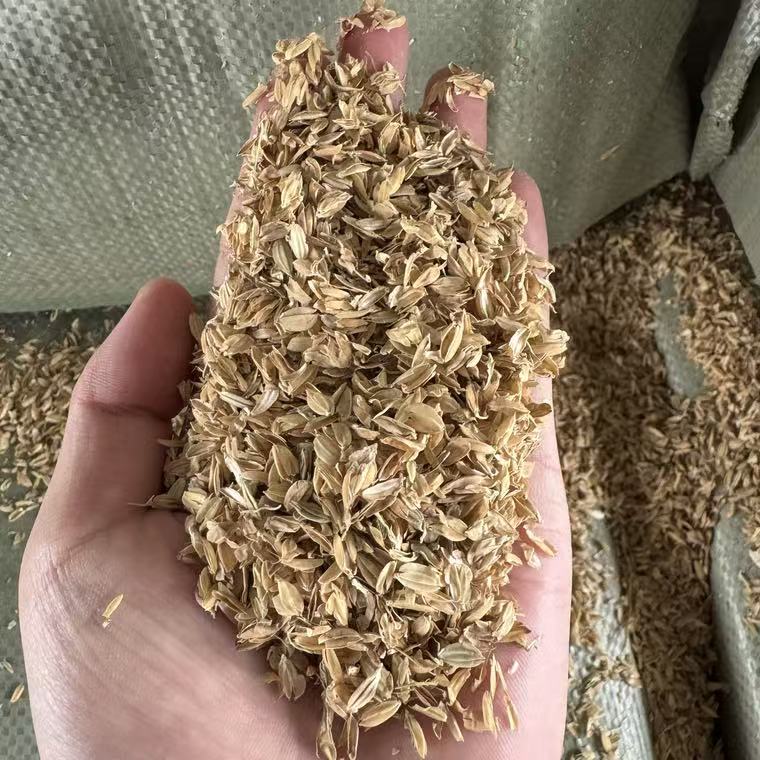
The industrial goal is a holistic one: to move beyond simple disposal or low-grade combustion for biomass, and simultaneously to diversify PLA's feedstock sources beyond primary agriculture. By overcoming the technical bottlenecks in high-value extraction (e.g., silicon purification) and improving the performance grades of bioplastics, the industry can solidify a manufacturing ecosystem that is both technologically advanced and fundamentally sustainable.
Recent post:
- Transforming Waste into Value: The Powerhouse Machines of the Plastic Industry
- A Tale of Two Films: Calendering vs. Casting
- The Future of Motion Control: Integrated Linear and Rotary Actuators
- Low-Temperature Cold-Pelletized Recycled Plastic Granules are Not Suitable for Direct Processing
- Why Agglomerated Plastic Pellets Fail in Film Production: The Necessity of Secondary Re-Extrusion